
Mazda MX-5
A brief history and gallery of the Mazda MX-5.
Beginning of the Mazda MX-5
During the early 1980s, Mazda engineers set out to develop a compact two-seat roadster inspired by the classic European sports cars of the 1960s. Their goal was to revive the lightweight, simple, driver-focused formula that had largely disappeared from the market.
The team eventually agreed on a rear-wheel-drive layout powered by a naturally aspirated 1.6-liter inline-four DOHC (Dual Overhead Camshaft) engine. To complement its lightweight philosophy, the car featured a double wishbone suspension setup for precise handling and responsiveness.
Design development began with Mazda’s North American studio, before being refined and finalized by the R&D team in Japan by 1986. The car officially went on sale worldwide in 1989.
In Japan, it was marketed as the Eunos Roadster, while in the United States it became known as the Mazda MX-5 Miata.
The Generations of the Mazda MX-5
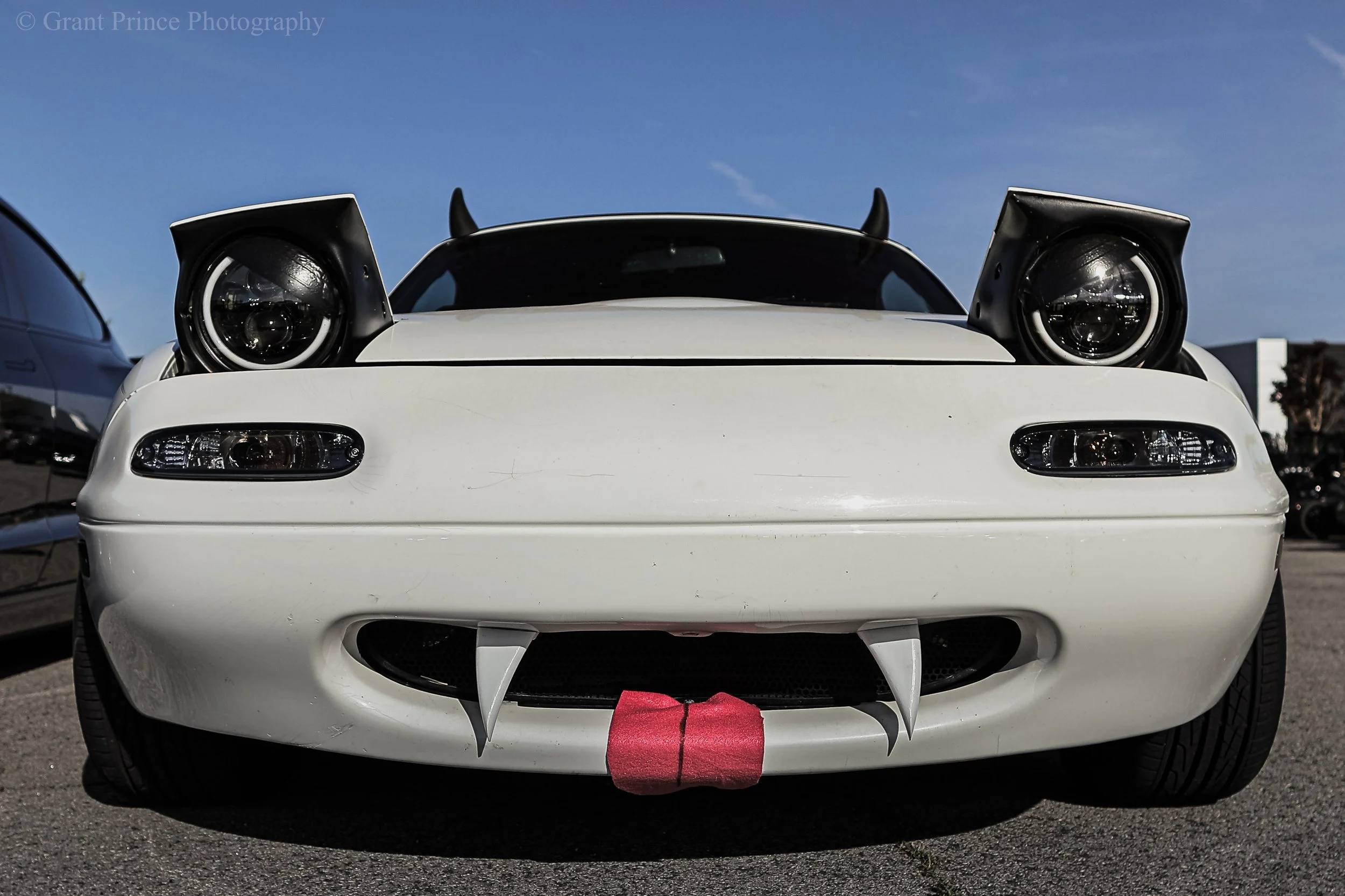
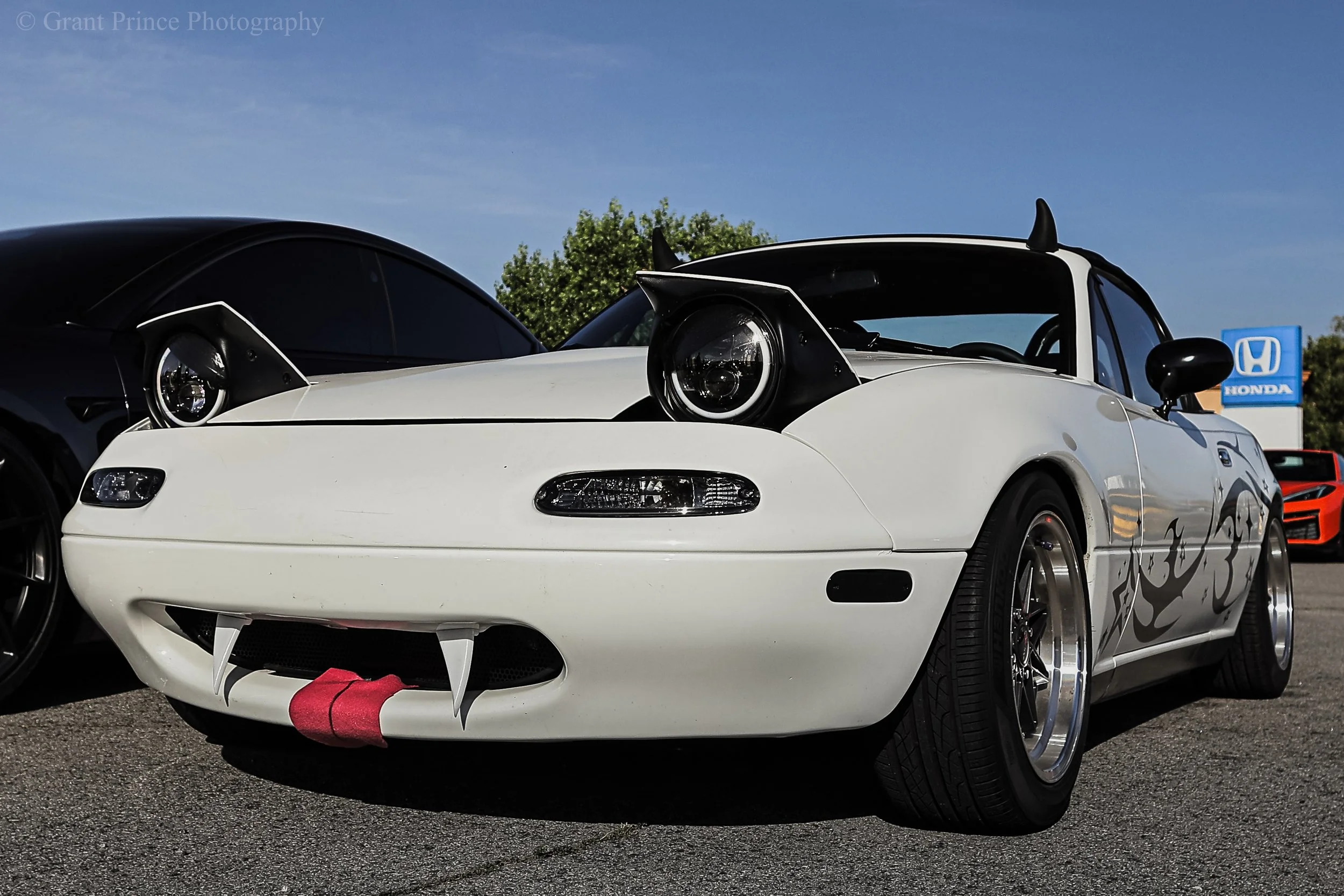
The first generation of the Mazda MX-5, known by the chassis code NA, was produced from 1989 to 1997. It is best recognized for its iconic pop-up headlights, which became a defining design feature.
The second generation, the NB (1998–2005), evolved the original formula while removing the pop-up headlights in favor of fixed units, giving it a cleaner and more modern front end.
The third generation, the NC (2005–2015), introduced a more refined and larger body design, along with the availability of the PRHT (Power Retractable Hard Top), adding increased comfort and versatility.
The fourth and current generation, the ND, has been in production since 2015. It returns to a more compact and lightweight philosophy and introduced the RF (Retractable Fastback) variant, featuring a distinctive targa-style folding roof section.
Gallery
Sources:
Mazda Motor Corporation. “MX-5 (1989–Present).” Mazda History – Great Car Roadster, https://www.mazda.com/en/about/history/greatcar/roadster/04/.
“Mazda MX-5.” Wikipedia, https://en.wikipedia.org/wiki/Mazda_MX-5.
